 EN
EN

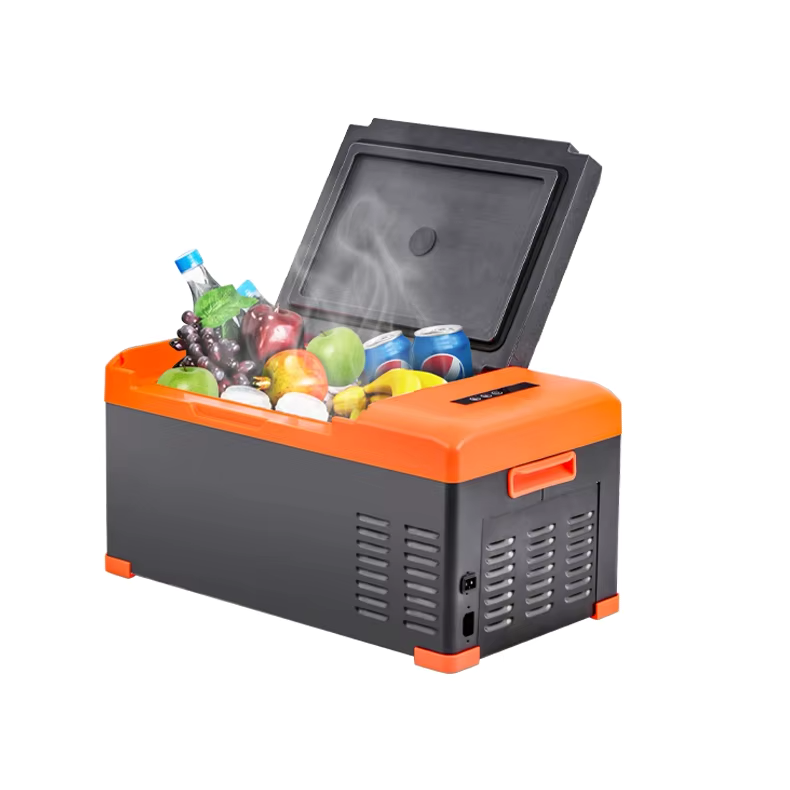
Multi-Power Versatility for Uninterrupted Cooling
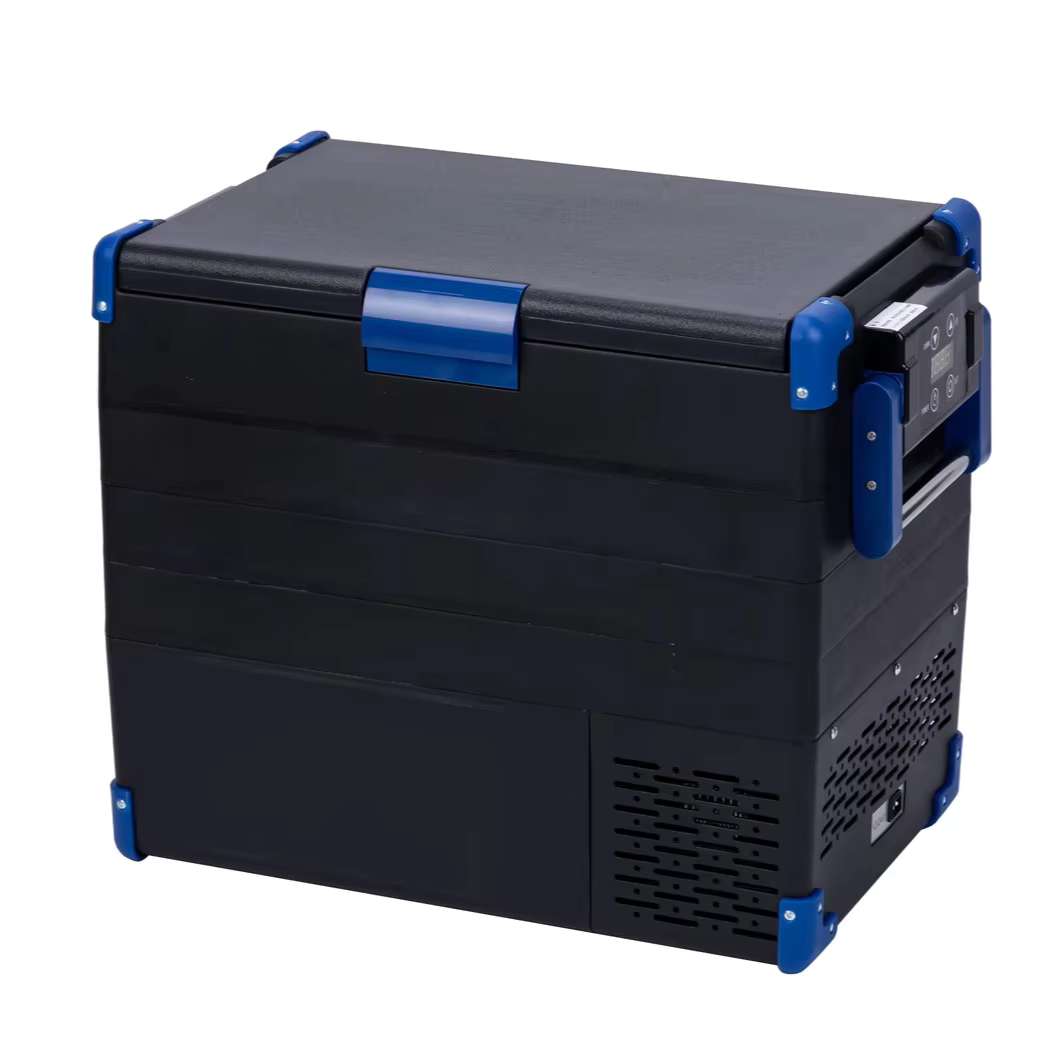
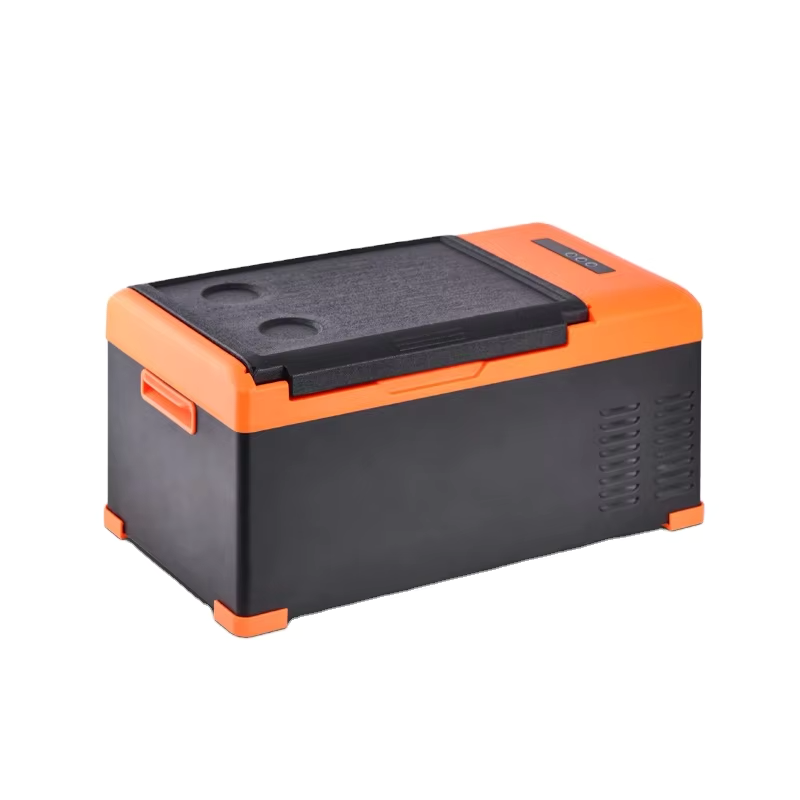
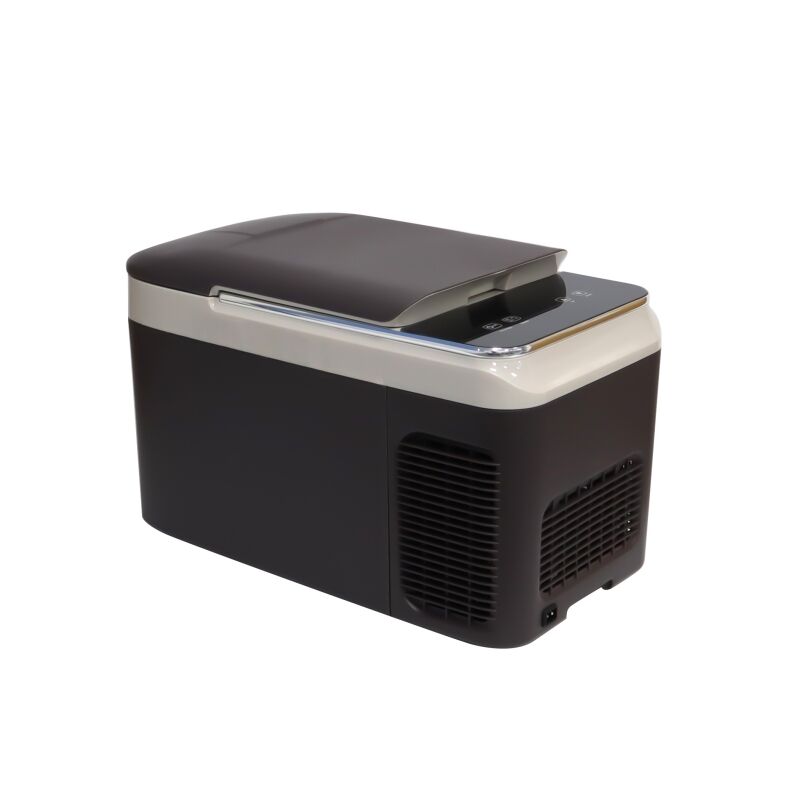
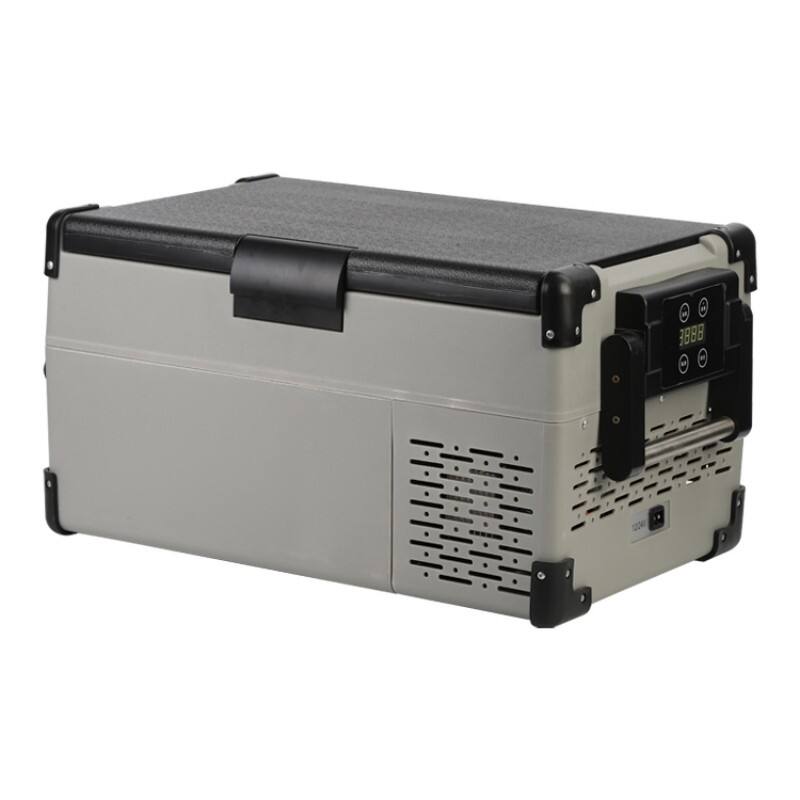
The camping car refrigerator excels with its remarkable multi-power capability, seamlessly operating on 12V DC, 24V DC, 110V-240V AC, and LPG gas sources. This intelligent power management system automatically detects available power and switches between sources without user intervention, ensuring continuous cooling performance regardless of your situation. When driving, the unit runs efficiently on your vehicle's electrical system without draining the starter battery. At campsites with electrical hookups, it switches to AC power for optimal energy efficiency. In off-grid locations, the LPG option provides reliable cooling for extended periods without electricity. This flexibility eliminates concerns about power availability and allows you to explore remote destinations confidently. The automatic voltage protection safeguards the unit against power fluctuations, preventing damage and extending lifespan. The low power consumption design, particularly in DC mode, draws minimal current, allowing days of operation on auxiliary batteries or solar panel systems. This multi-power versatility represents exceptional value for travelers who demand reliability in diverse environments, from developed campgrounds to wilderness areas, ensuring your food and beverages remain perfectly preserved throughout every journey.