 EN
EN
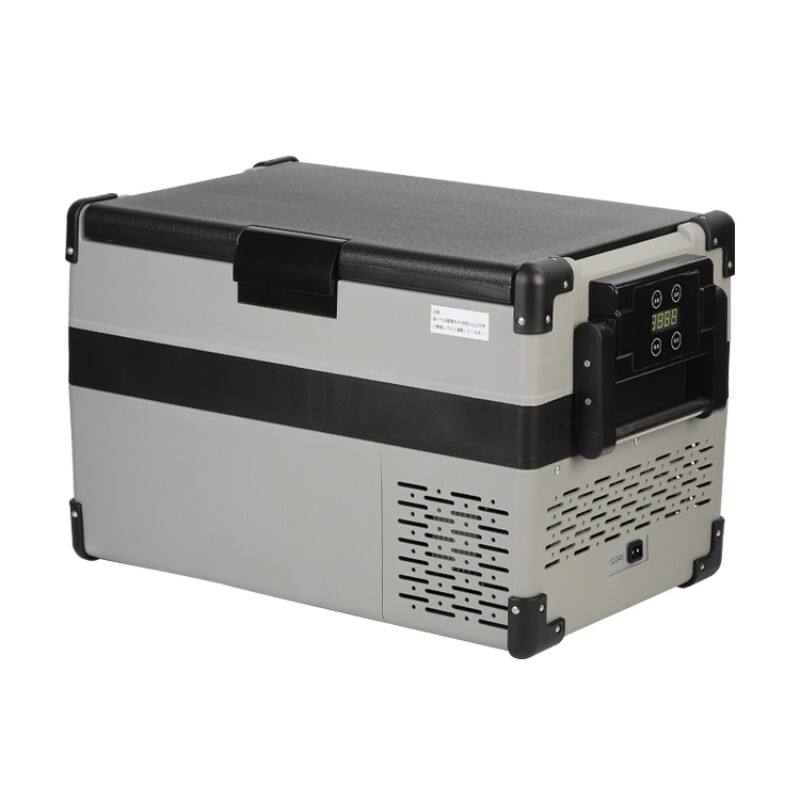

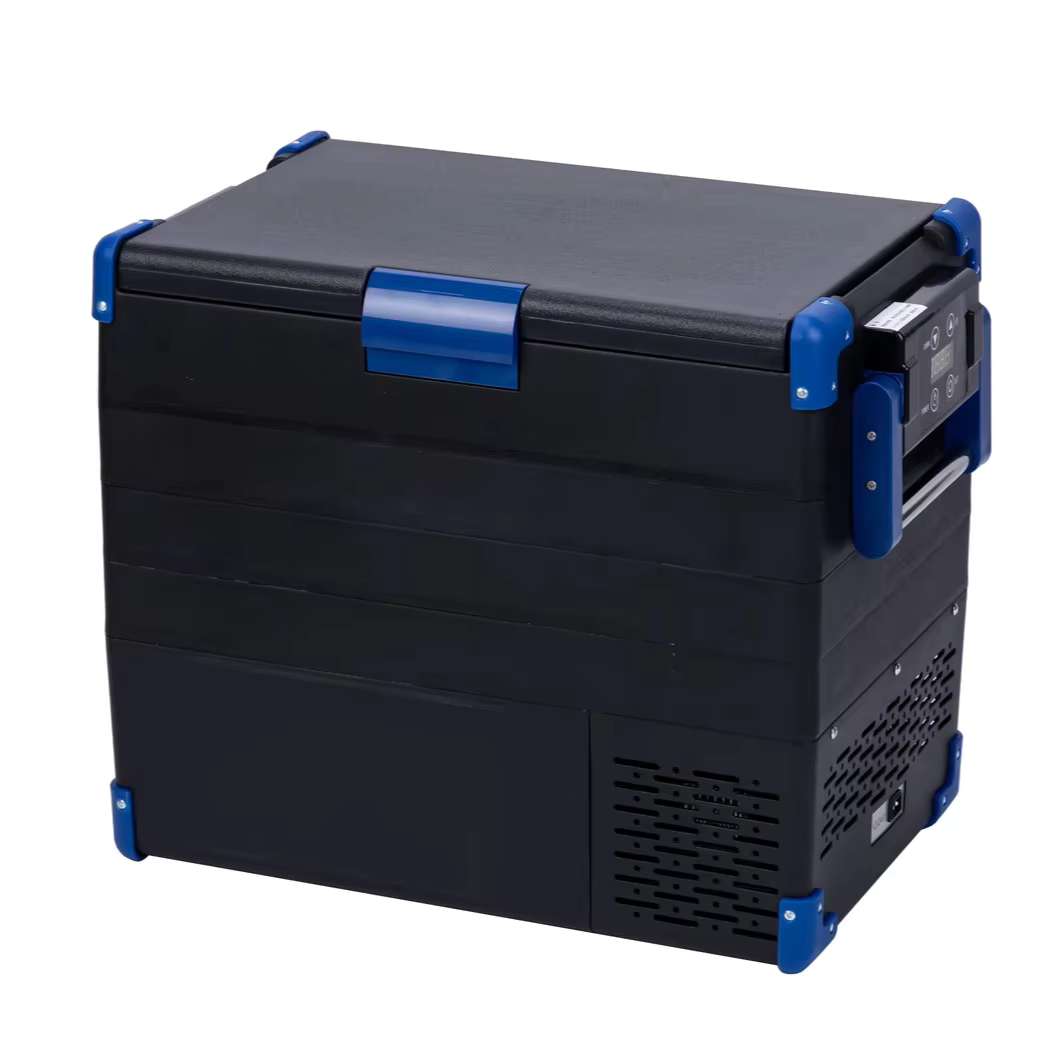
Advanced Compressor Technology and Temperature Control
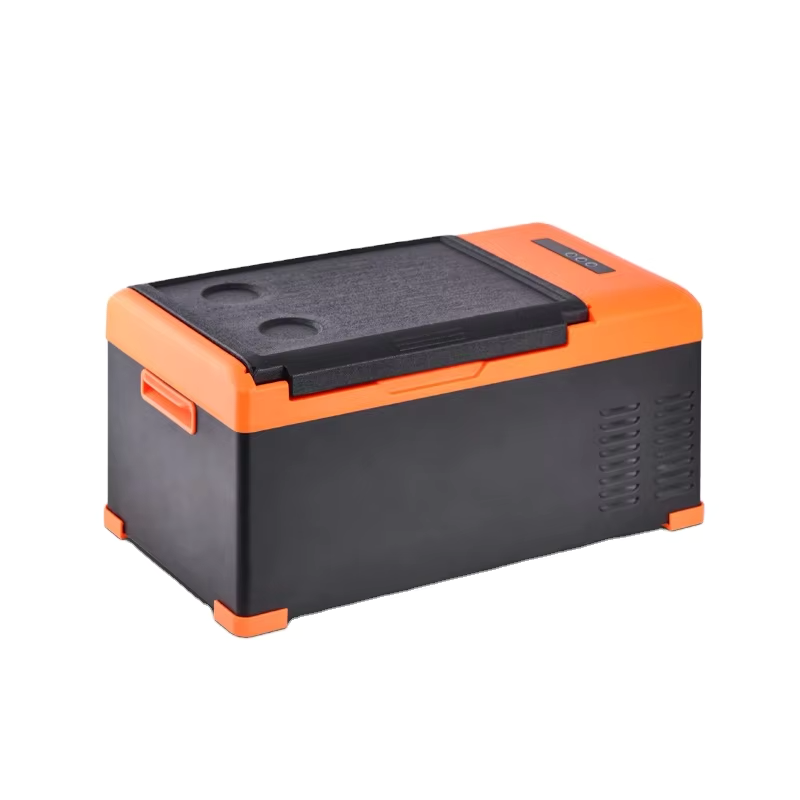
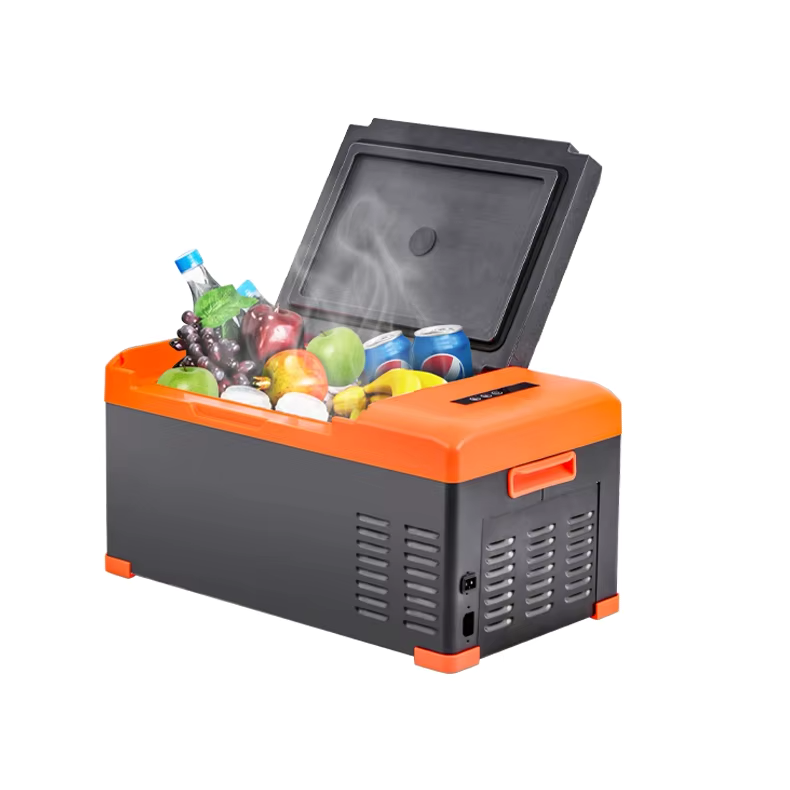
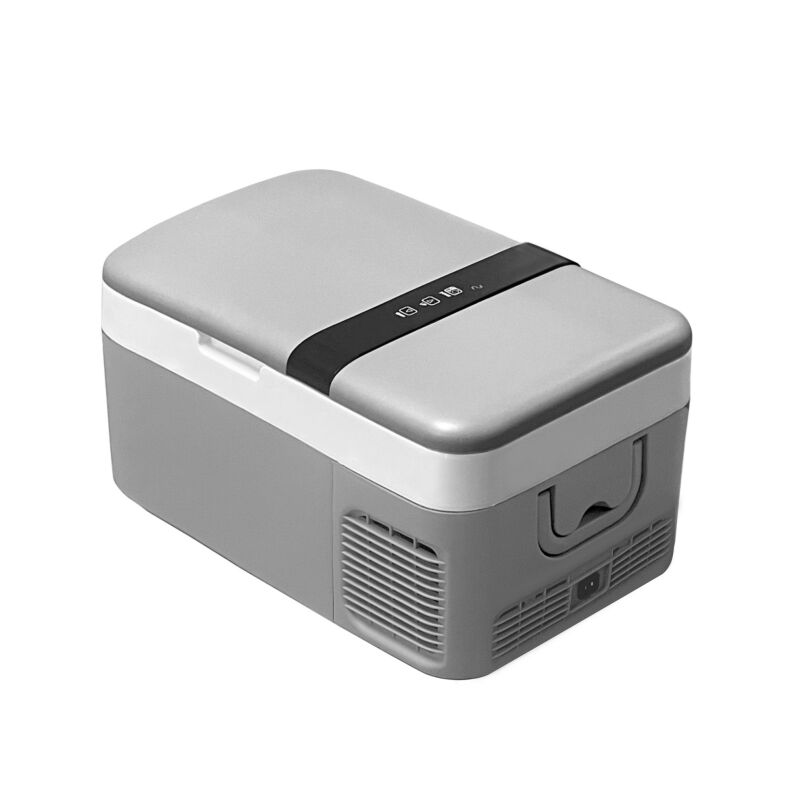
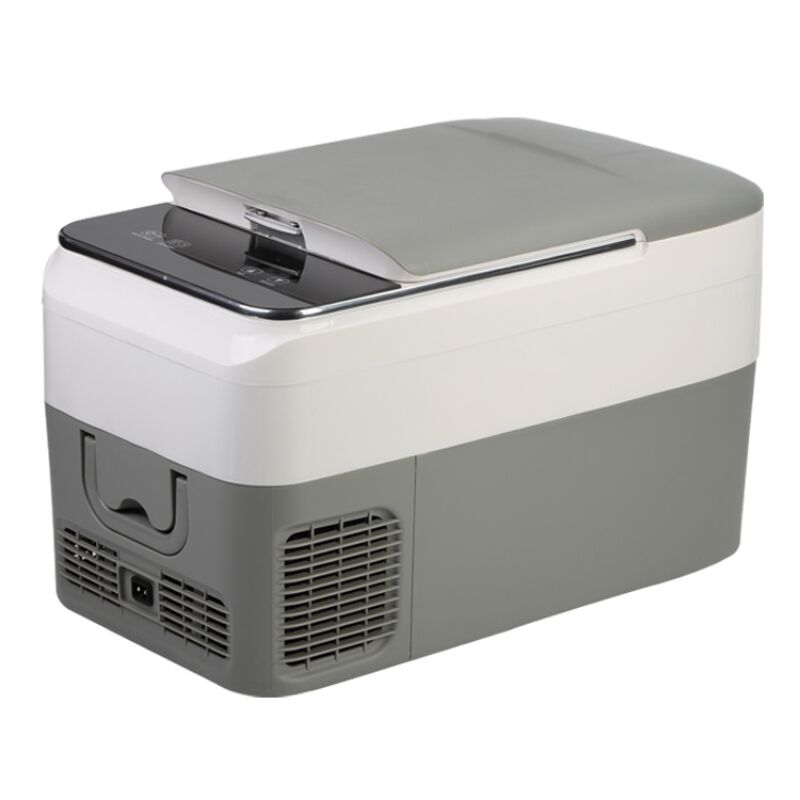
Car fridge freezer suppliers distinguish themselves through the integration of advanced compressor technology that delivers superior cooling performance in mobile environments. Unlike traditional thermoelectric coolers, the compressor-based systems offered by professional suppliers achieve true freezing temperatures ranging from -4°F to 50°F, accommodating both refrigeration and freezing needs simultaneously. This technology operates efficiently regardless of ambient temperature, maintaining consistent internal temperatures even when parked under direct sunlight or in hot climates. Leading car fridge freezer suppliers incorporate intelligent temperature management systems with precise digital controls, allowing users to set and monitor temperatures within one-degree increments. The compressor units feature variable speed operation that adjusts cooling intensity based on internal temperature and ambient conditions, optimizing energy consumption while preserving food quality. These sophisticated systems include multiple operating modes such as ECO mode for extended battery life, MAX mode for rapid cooling, and customizable settings for specific storage requirements. Professional suppliers also integrate automatic shut-off protection that monitors vehicle battery voltage and prevents excessive drain, ensuring drivers retain sufficient power to start their vehicles after extended cooling periods.