 EN
EN
Dual-Zone Temperature Management System
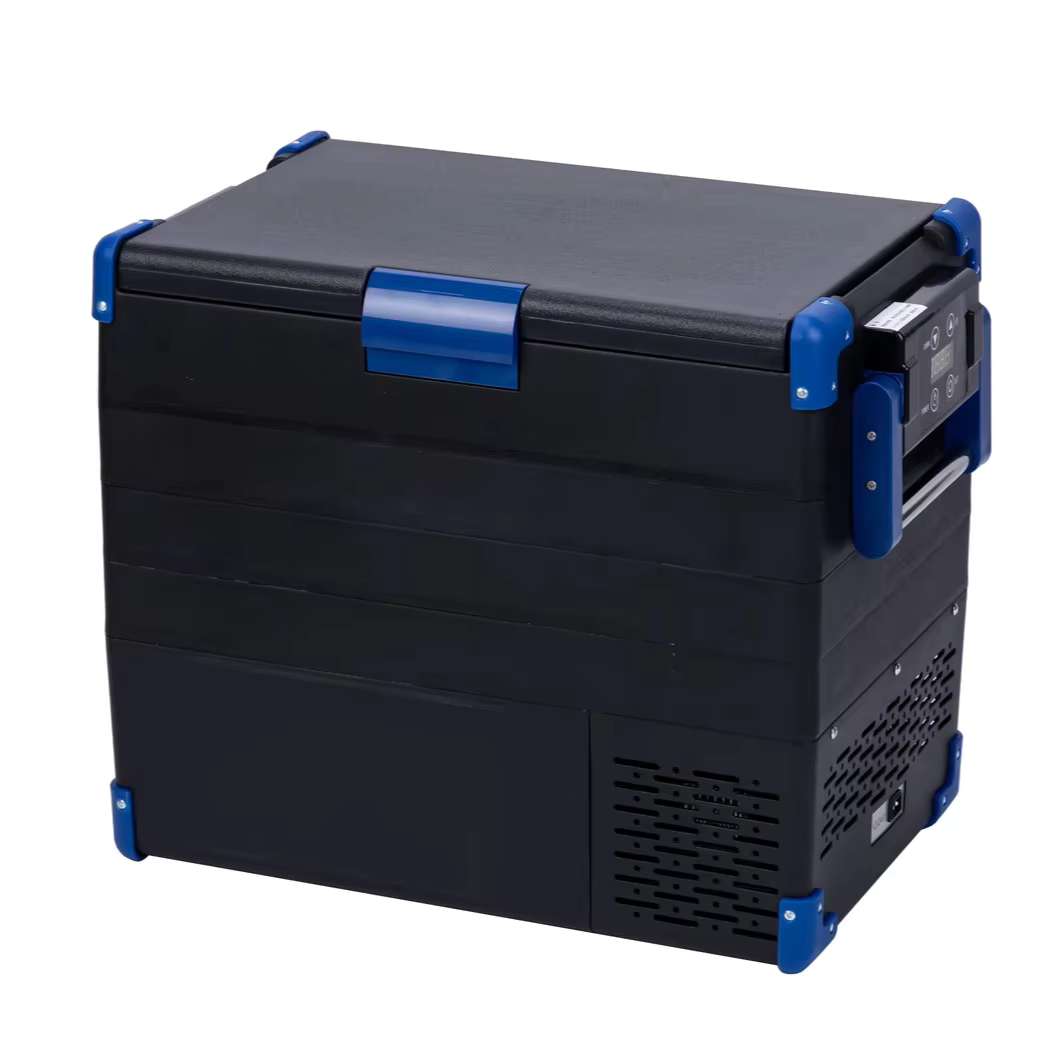
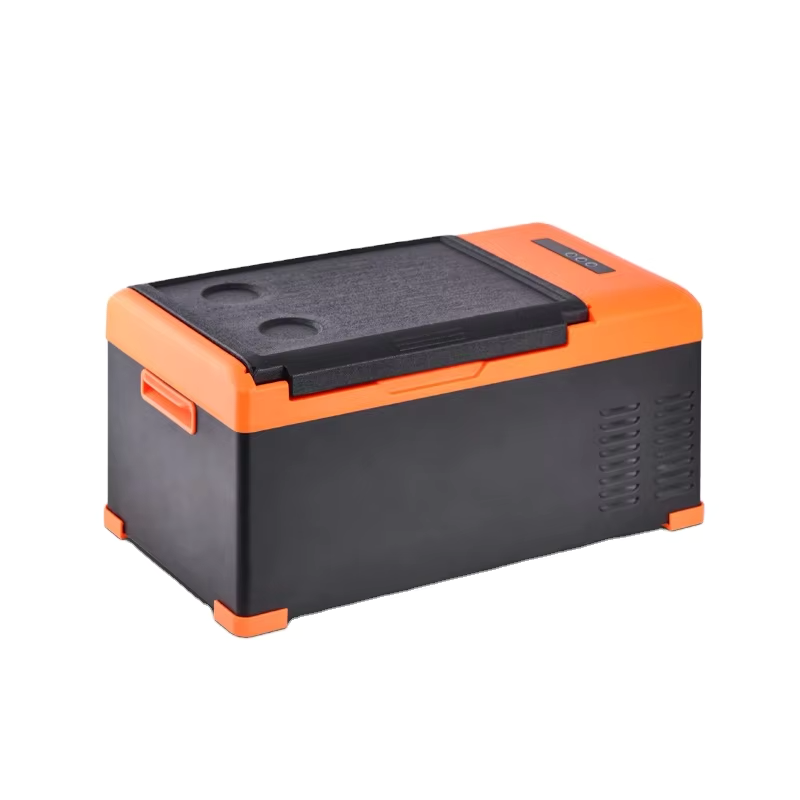
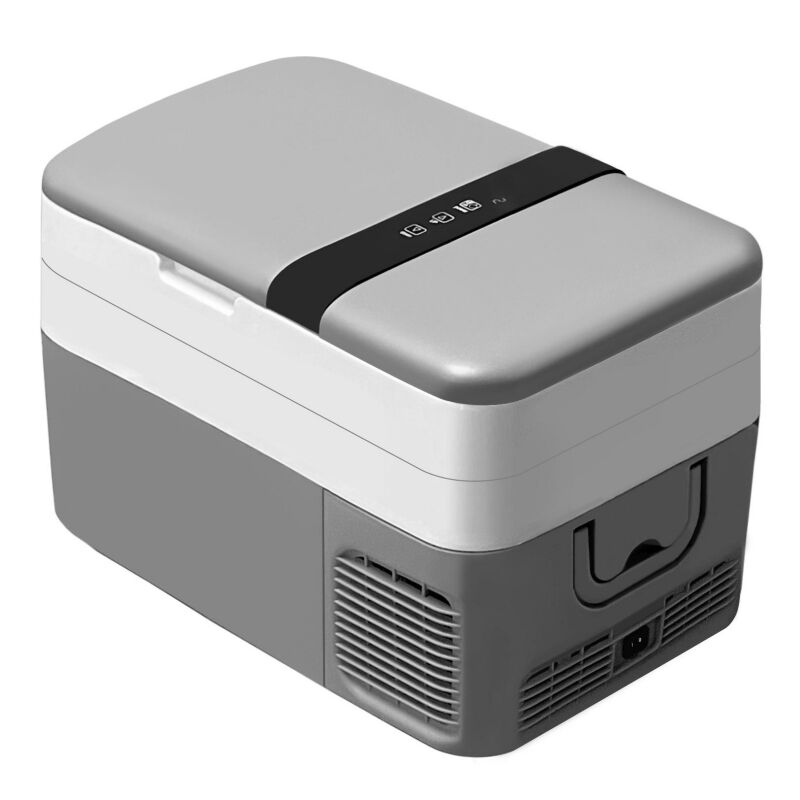
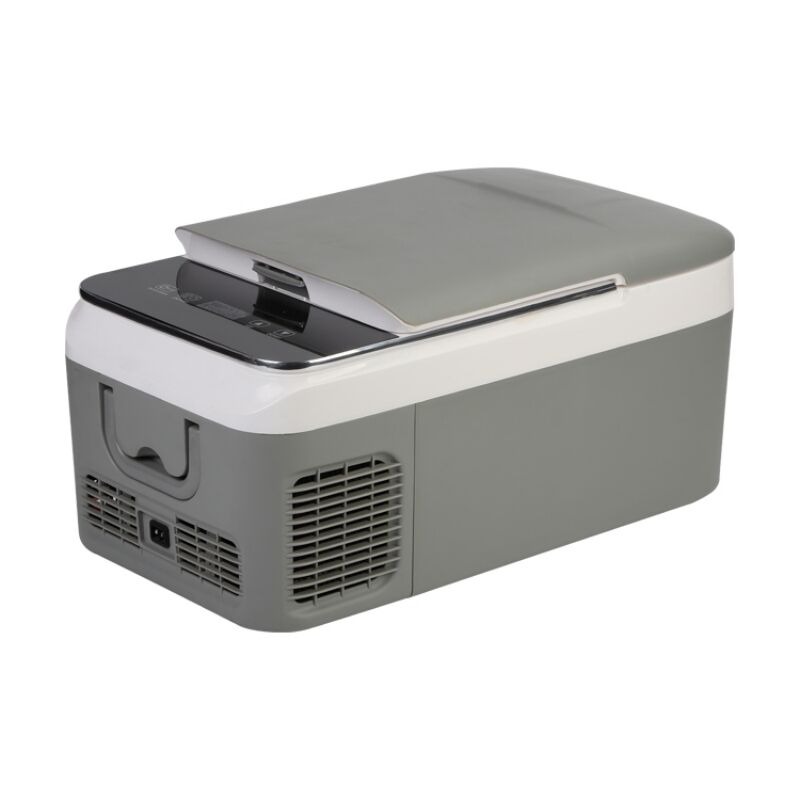
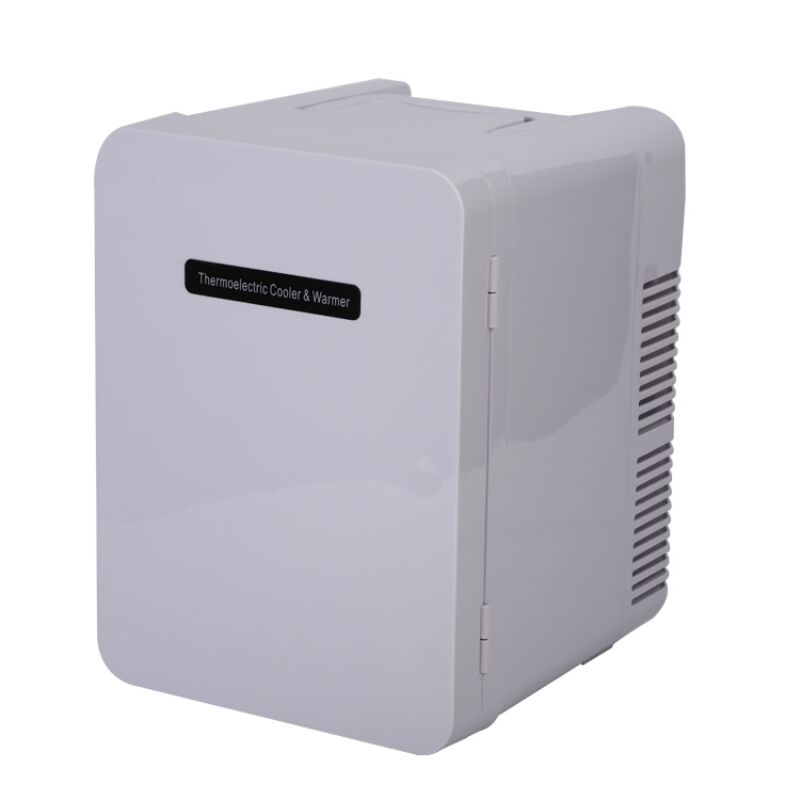
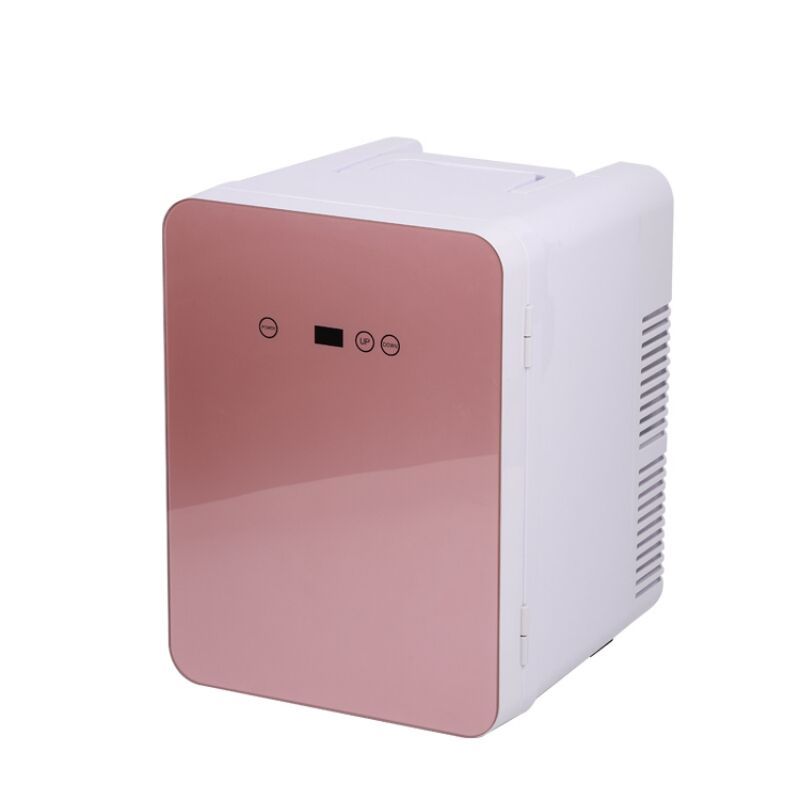
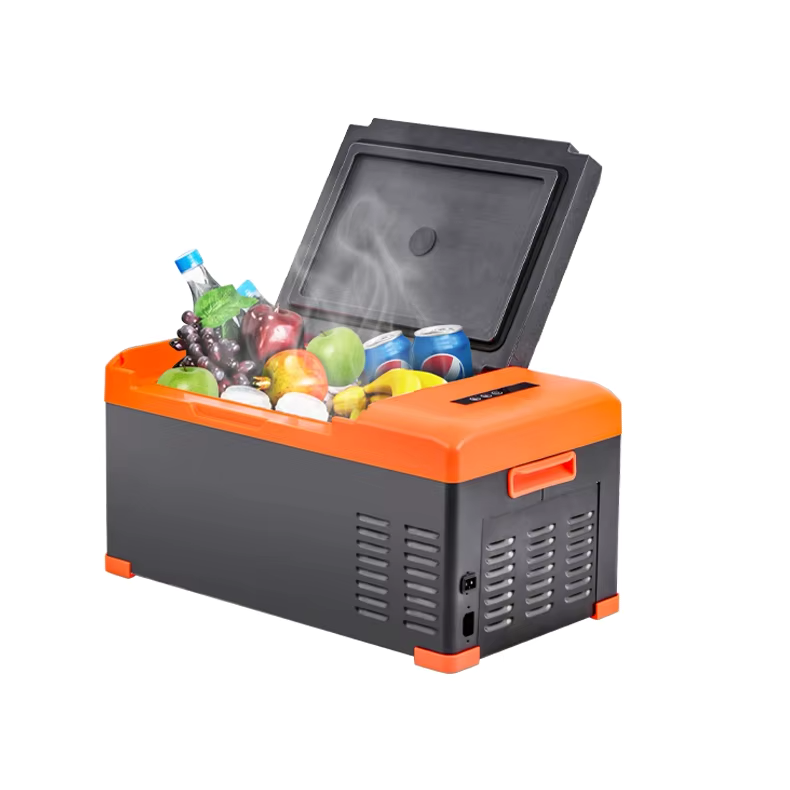
The portable mini fridge with freezer features an advanced dual-zone temperature management system that independently controls refrigeration and freezing compartments. This intelligent design allows you to set different temperatures for each section, optimizing storage conditions for diverse items simultaneously. The refrigerator section typically maintains temperatures between 32°F and 50°F, perfect for beverages, fresh produce, dairy products, and prepared meals. Meanwhile, the freezer compartment reaches temperatures as low as 5°F to -10°F, ensuring proper freezing of ice cream, frozen meals, ice cubes, and long-term food storage. This separation prevents temperature compromise that occurs in single-zone units, where frozen items may partially thaw or refrigerated items may freeze. The precise temperature control eliminates food spoilage and maintains optimal freshness, extending the shelf life of stored items. User-friendly digital controls or manual dial systems make temperature adjustments simple and accurate. This dual-zone capability delivers the functionality of two separate appliances within one efficient unit, providing maximum versatility for various storage requirements while consuming minimal space and energy.