 EN
EN

Advanced Manufacturing Infrastructure and Quality Control
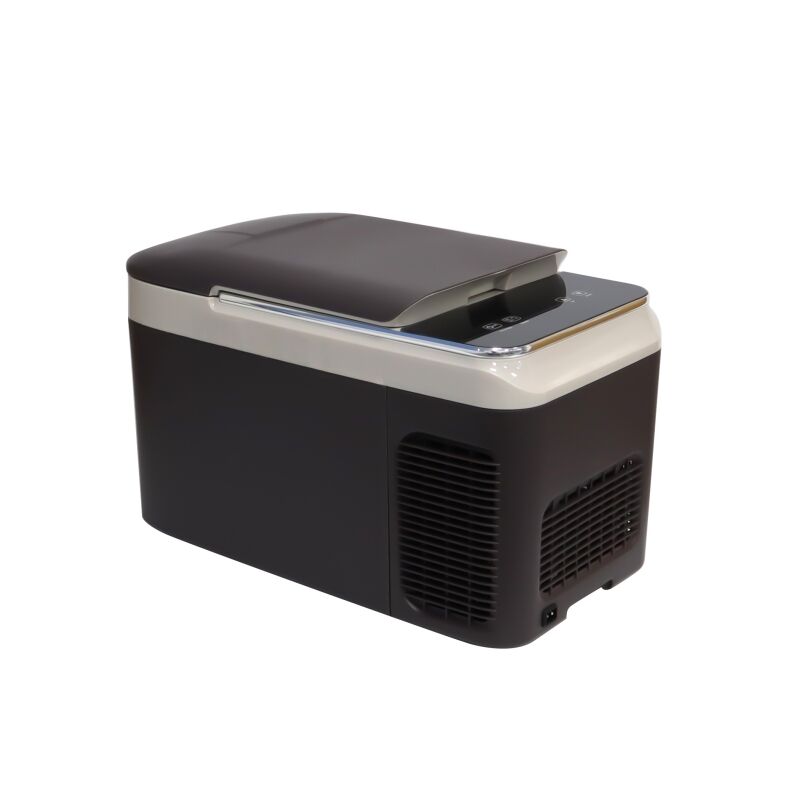
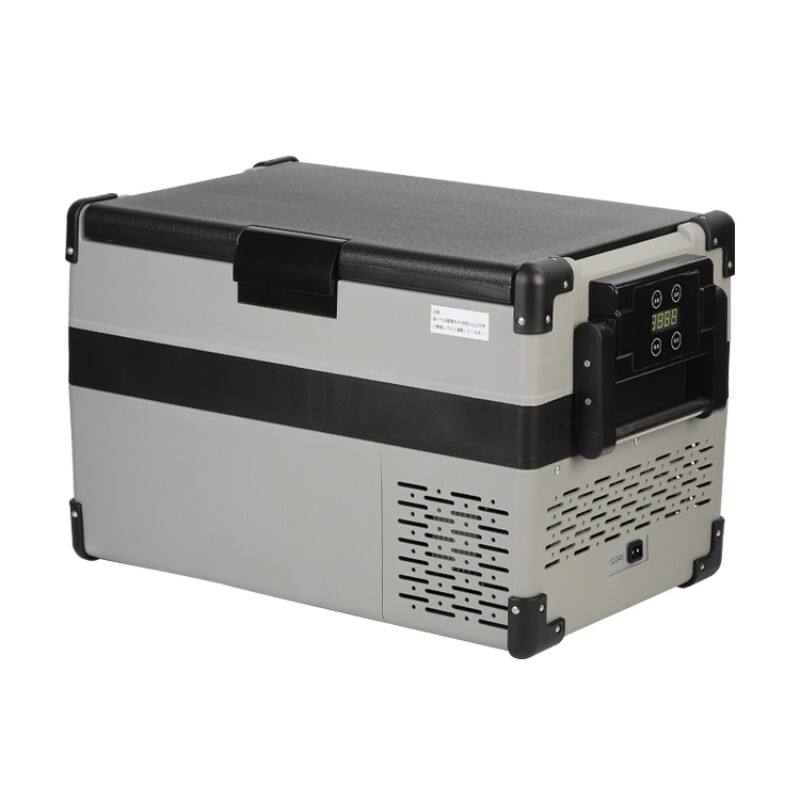
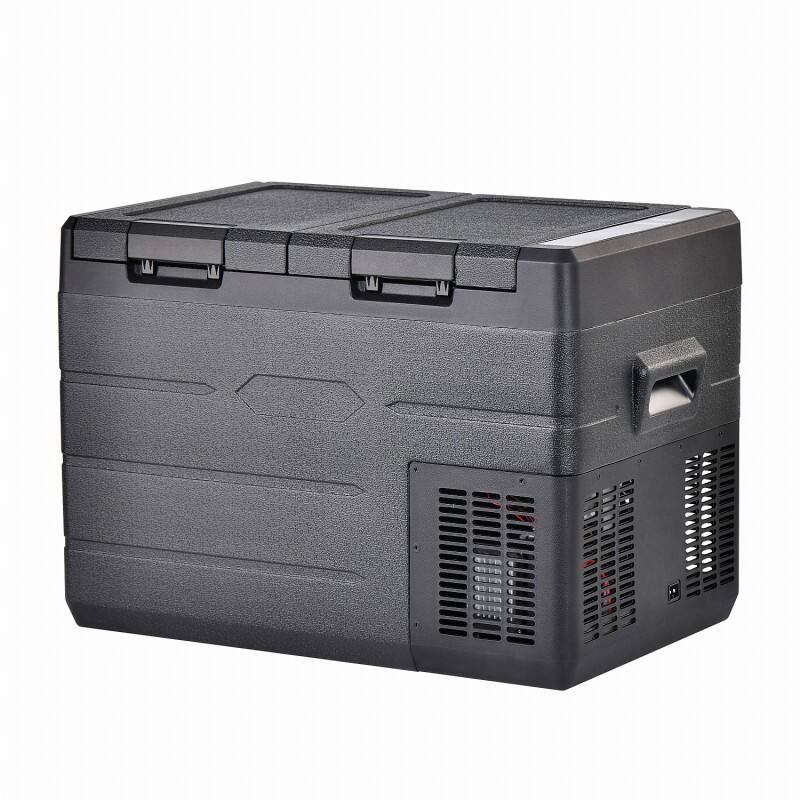
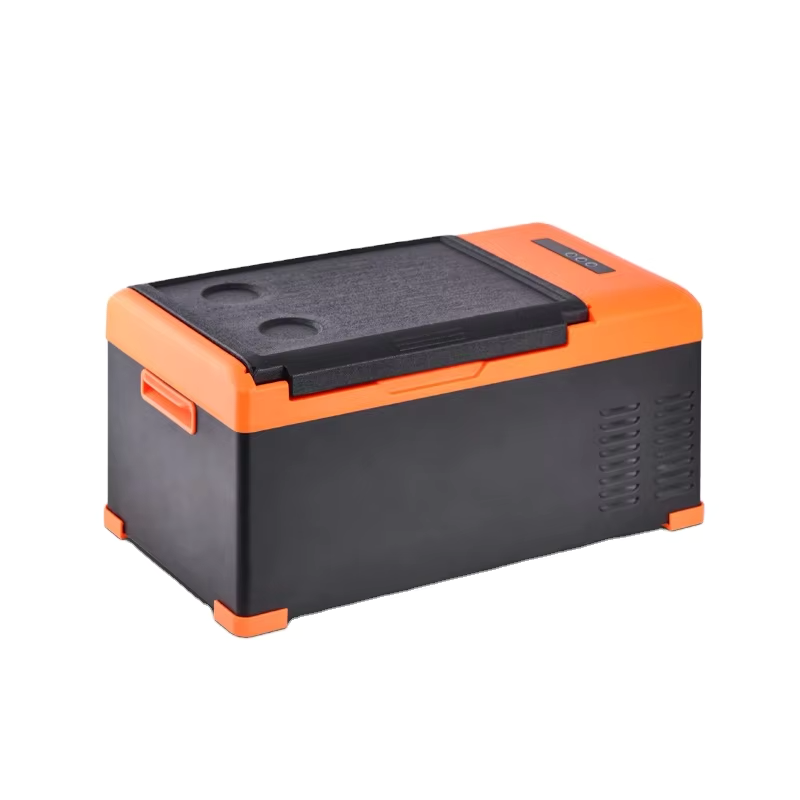
China mini fridge manufacturers invest heavily in state-of-the-art production facilities equipped with precision machinery, automated testing equipment, and climate-controlled assembly environments that ensure consistent product quality. The manufacturing infrastructure includes dedicated research and development departments where engineers continuously improve cooling efficiency, reduce noise levels, and enhance durability through material science innovations. Quality control measures implemented by china mini fridge manufacturers involve systematic inspection protocols at every production stage, from raw material verification through final product testing, including temperature stability assessments, door seal integrity checks, and electrical safety validations. This comprehensive approach minimizes defect rates and ensures that products meet or exceed international quality benchmarks. The infrastructure advantage also extends to supply chain management, where proximity to component manufacturers enables just-in-time production, reduces lead times, and provides flexibility in responding to market trends. Buyers partnering with china mini fridge manufacturers gain access to this sophisticated ecosystem, benefiting from proven production methodologies, continuous improvement initiatives, and the accumulated expertise of skilled workforce trained specifically in refrigeration technology and compact appliance manufacturing standards.