 EN
EN
Advanced Manufacturing Capabilities and Customization Options
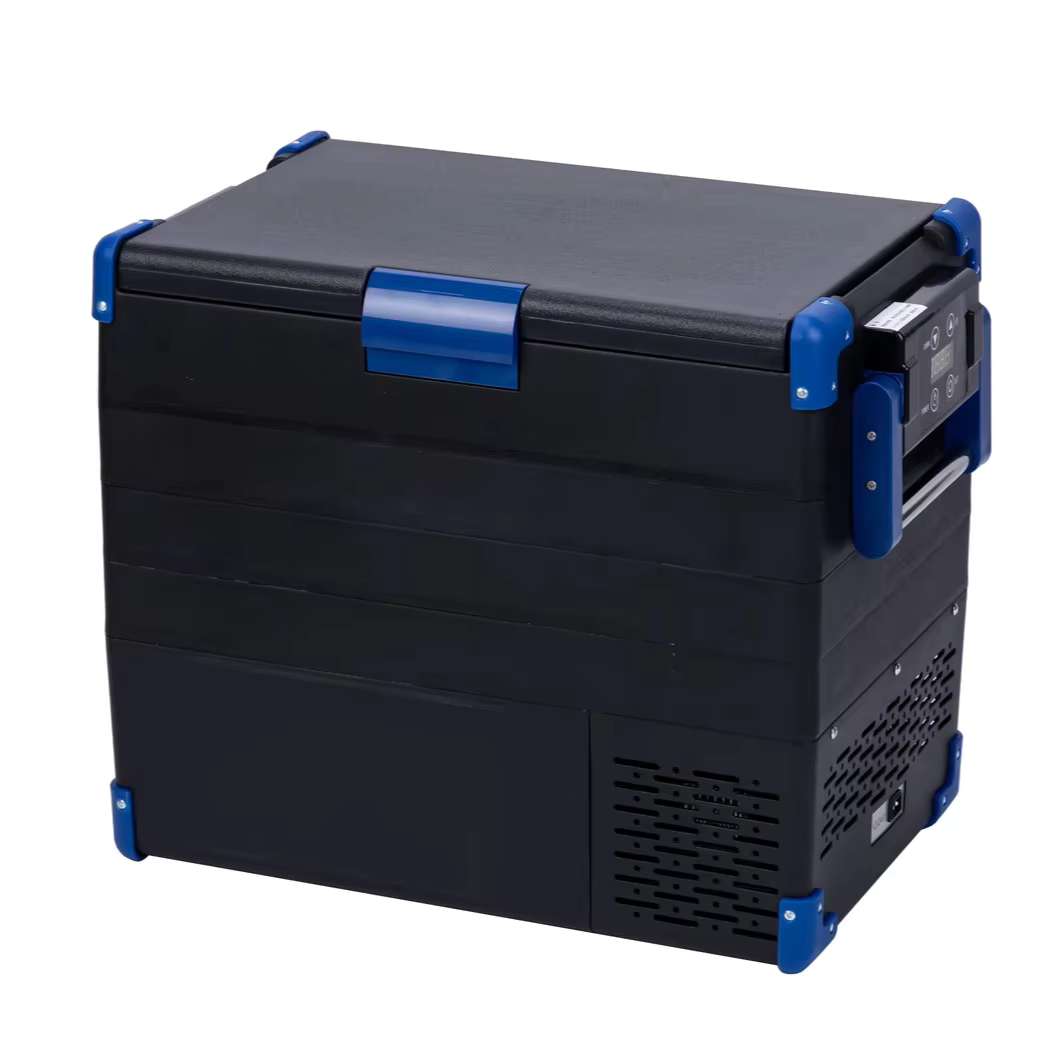
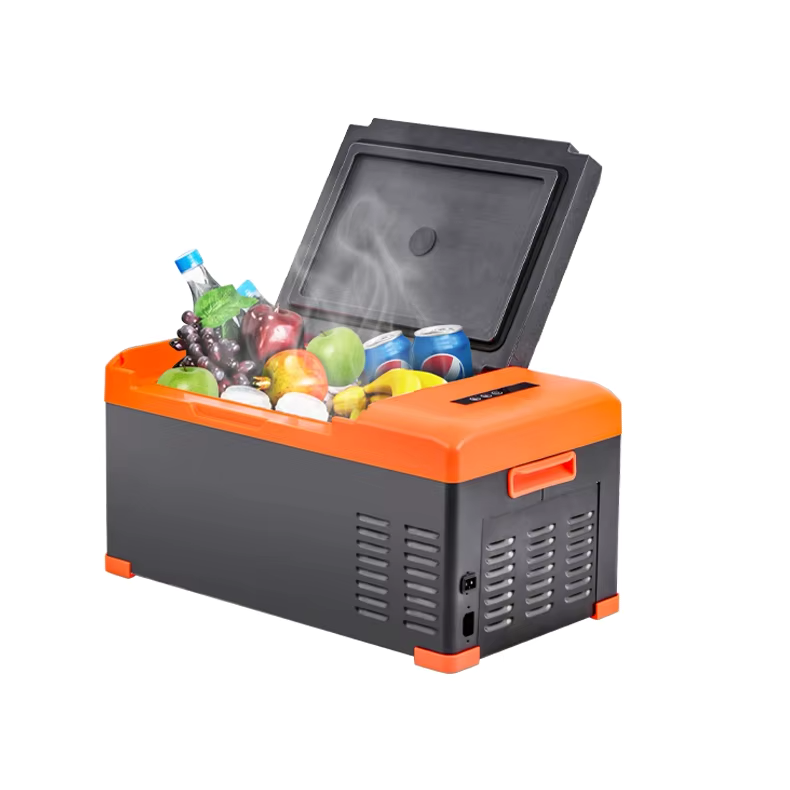
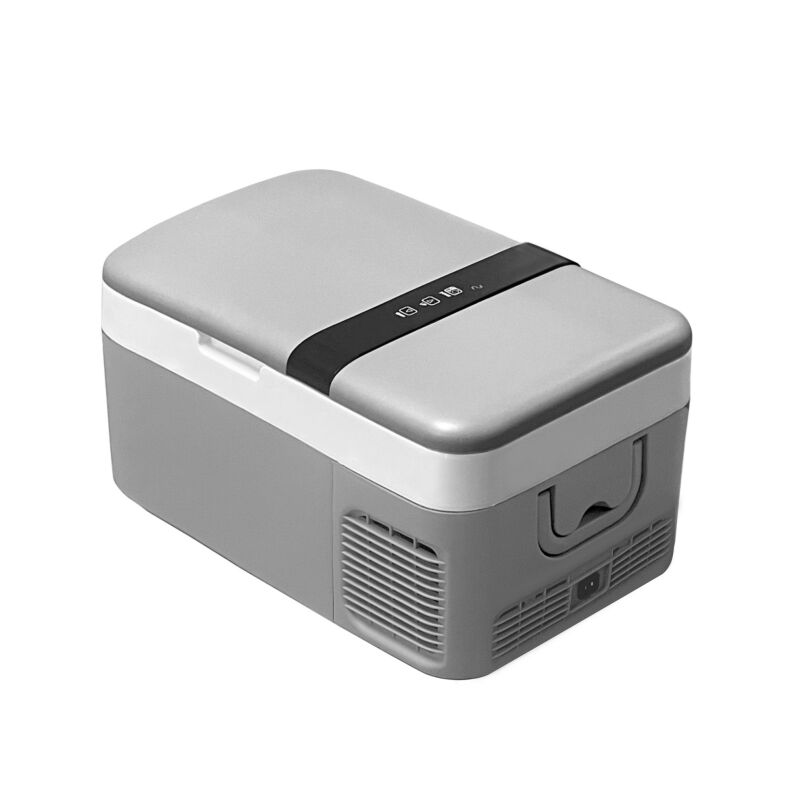
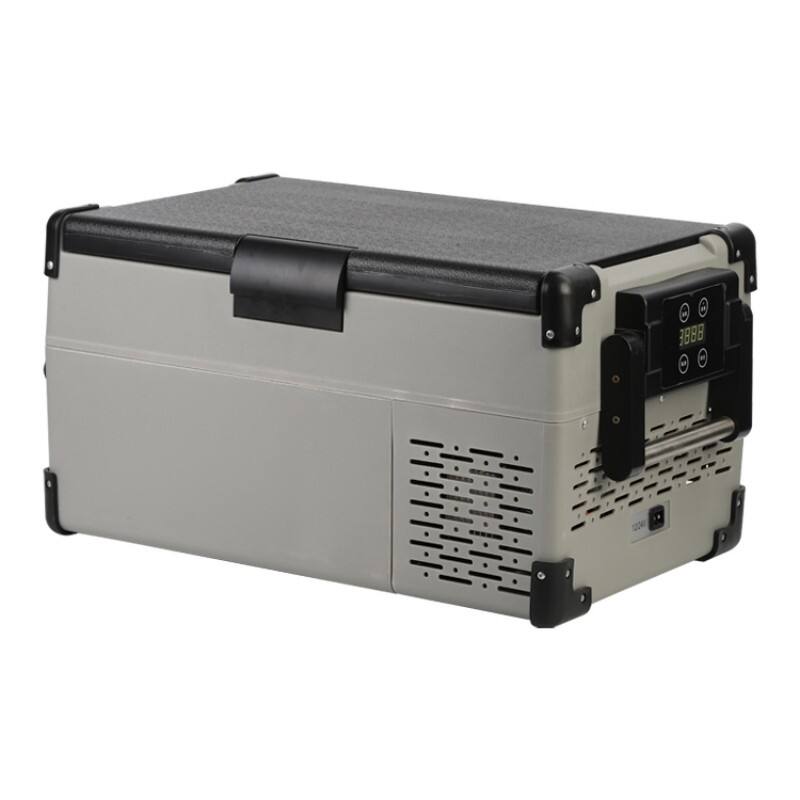
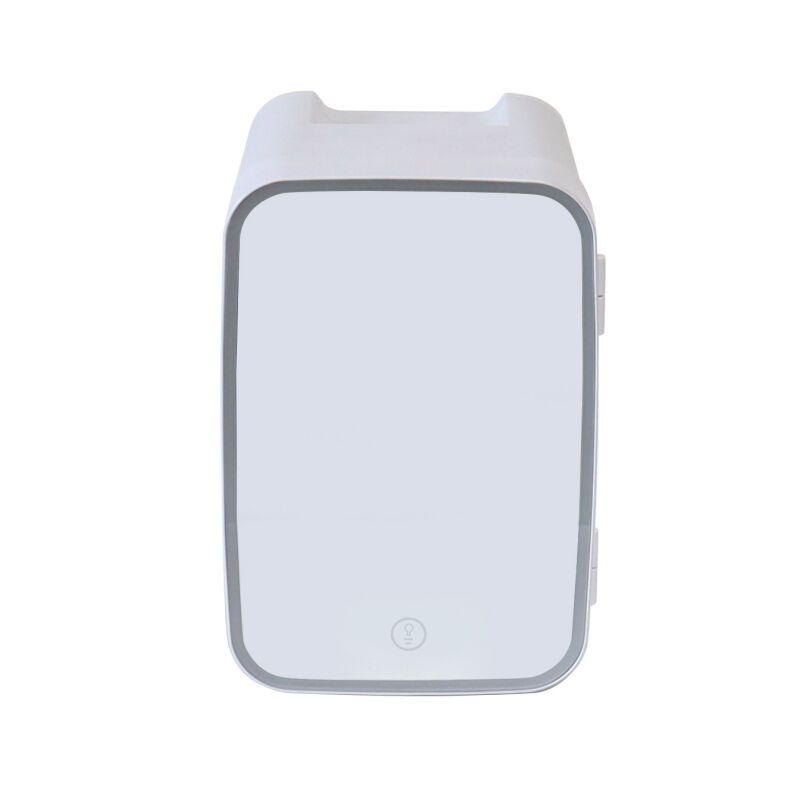
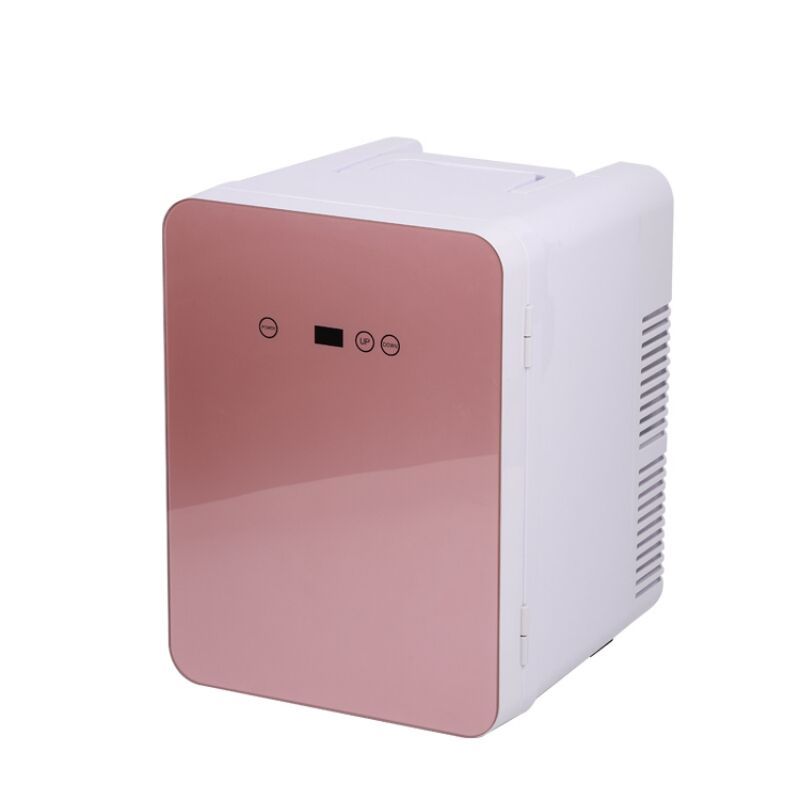
China skincare mini fridge manufacturers distinguish themselves through sophisticated manufacturing infrastructure that combines automated production lines with skilled craftsmanship to deliver consistent product quality. These facilities feature state-of-the-art injection molding equipment for precision plastic components, dedicated assembly workshops with climate-controlled environments, and comprehensive testing laboratories that verify temperature accuracy, energy consumption, and durability standards. The customization capabilities offered by china skincare mini fridge manufacturers extend beyond simple color changes to include structural modifications such as adjustable shelf configurations, integrated mirror installations, specialized compartments for tools like jade rollers or gua sha stones, and custom branding through silk-screen printing, embossing, or premium laser engraving. This flexibility empowers brands to differentiate their products in competitive markets while maintaining cost efficiency. Manufacturers maintain diverse material inventories including food-grade ABS plastics, tempered glass panels, and brushed metal finishes that cater to various aesthetic preferences. Their design teams collaborate with clients to develop prototypes, provide 3D renderings, and refine specifications before mass production begins. This comprehensive approach to manufacturing and customization ensures that china skincare mini fridge manufacturers can accommodate unique market requirements while delivering products that meet rigorous quality expectations and appeal to discerning consumers seeking both functionality and visual appeal in their skincare storage solutions.