 EN
EN
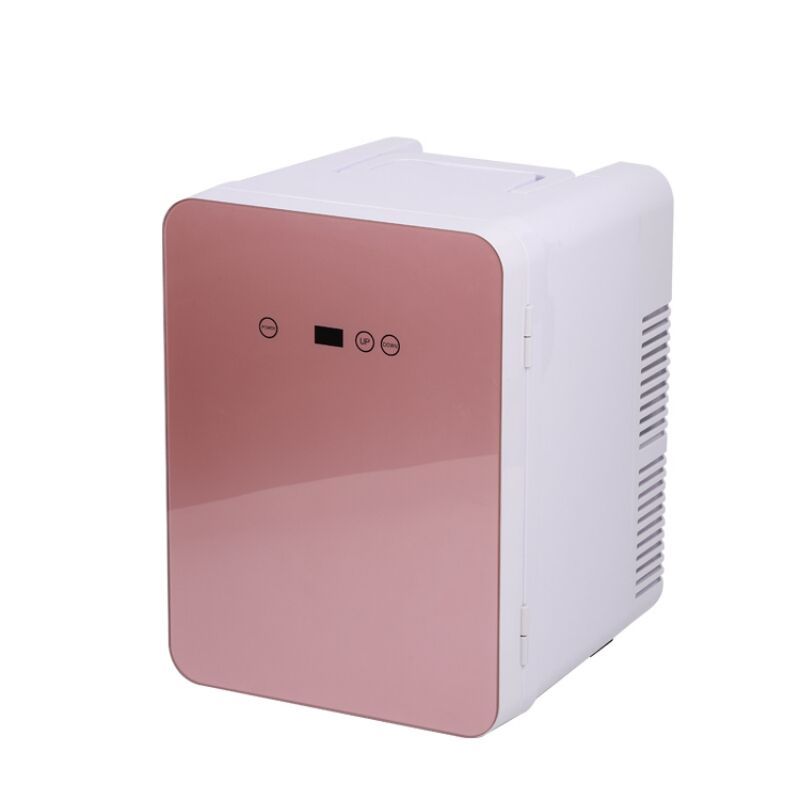
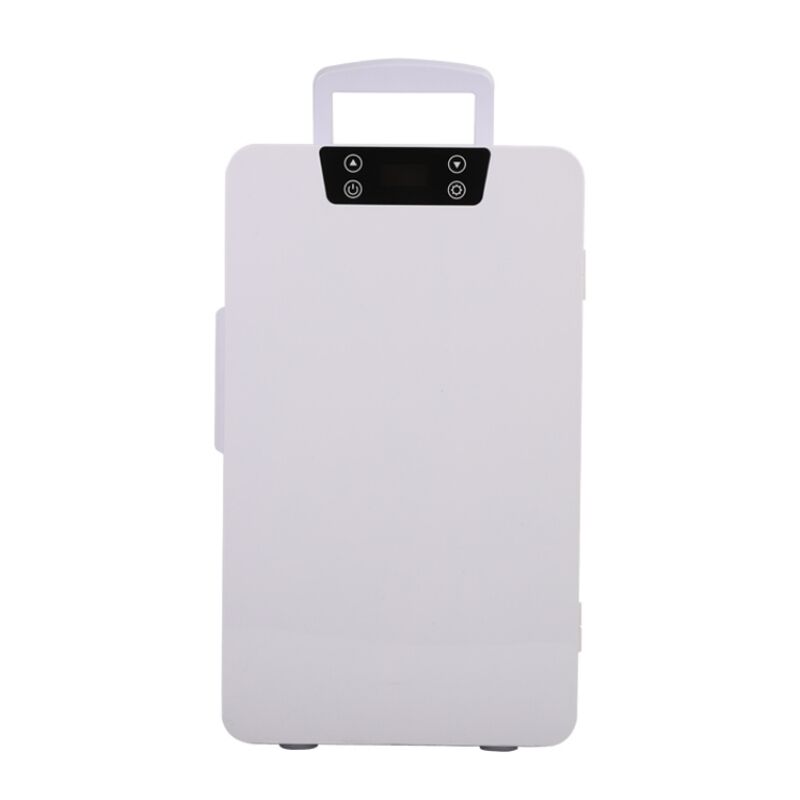
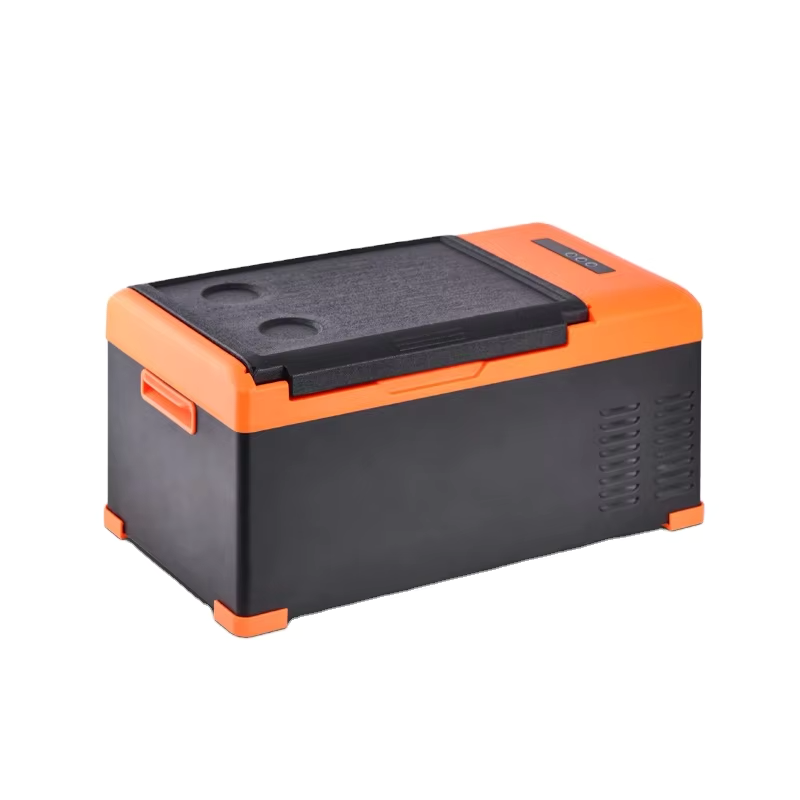
Whisper-Quiet Advanced Cooling Technology
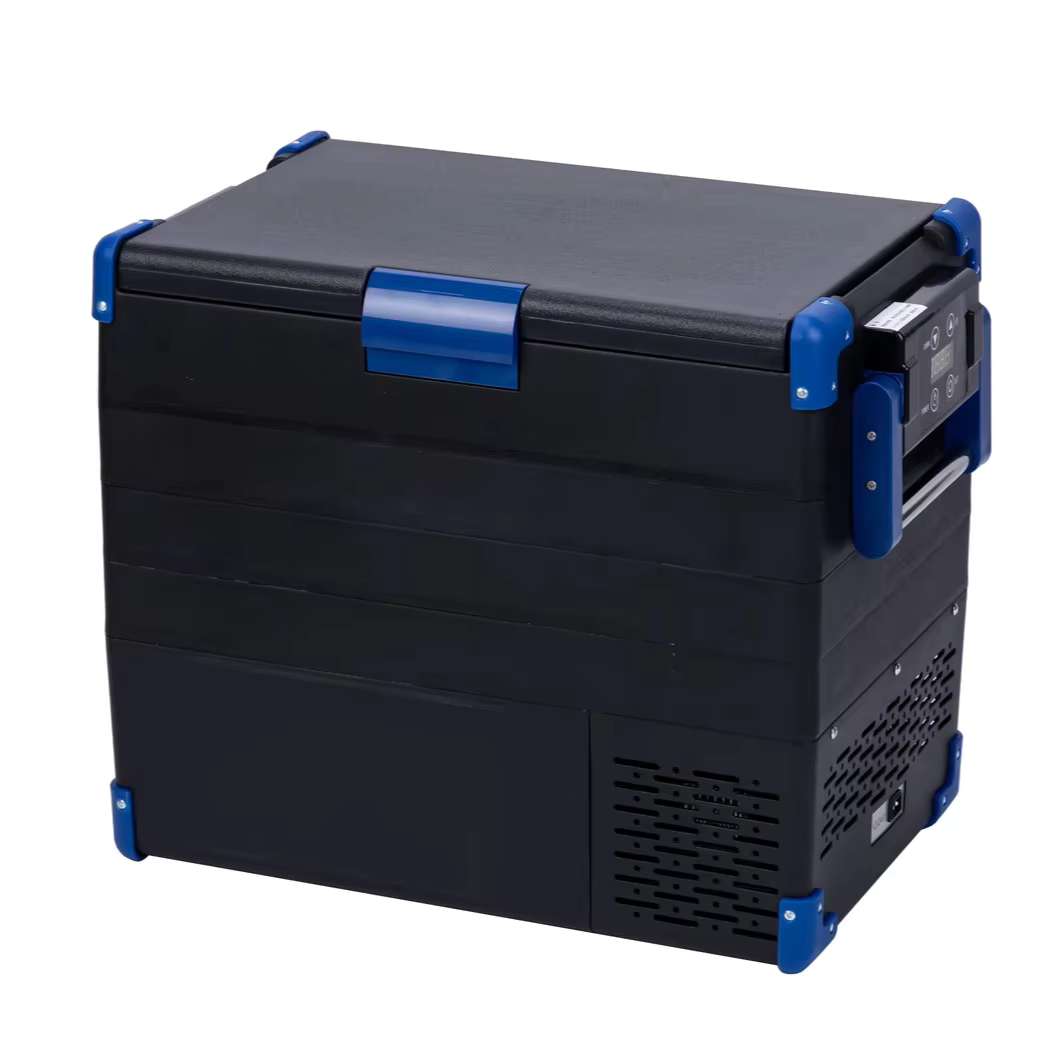
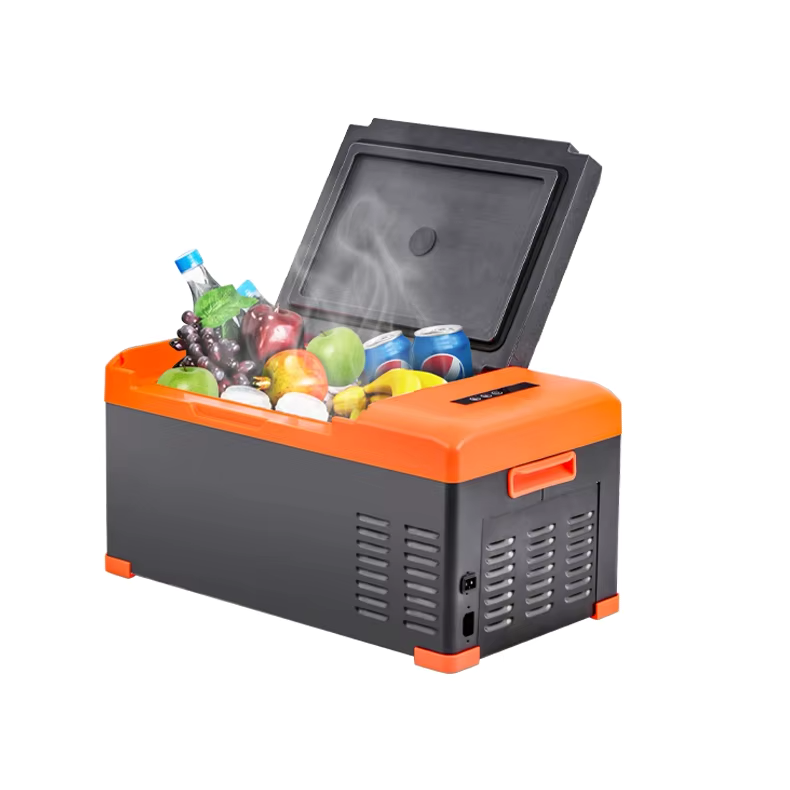
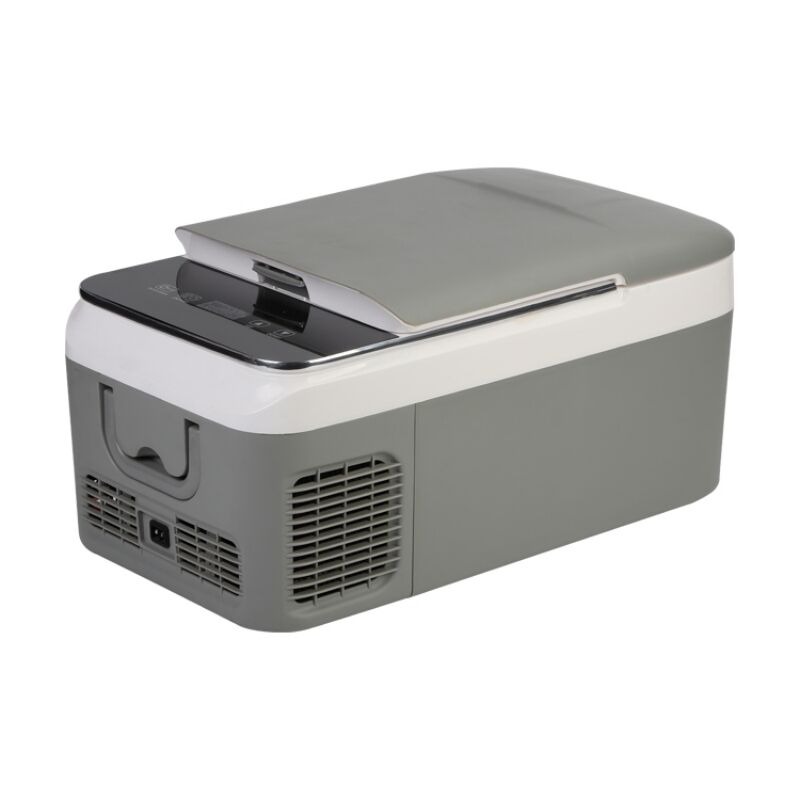
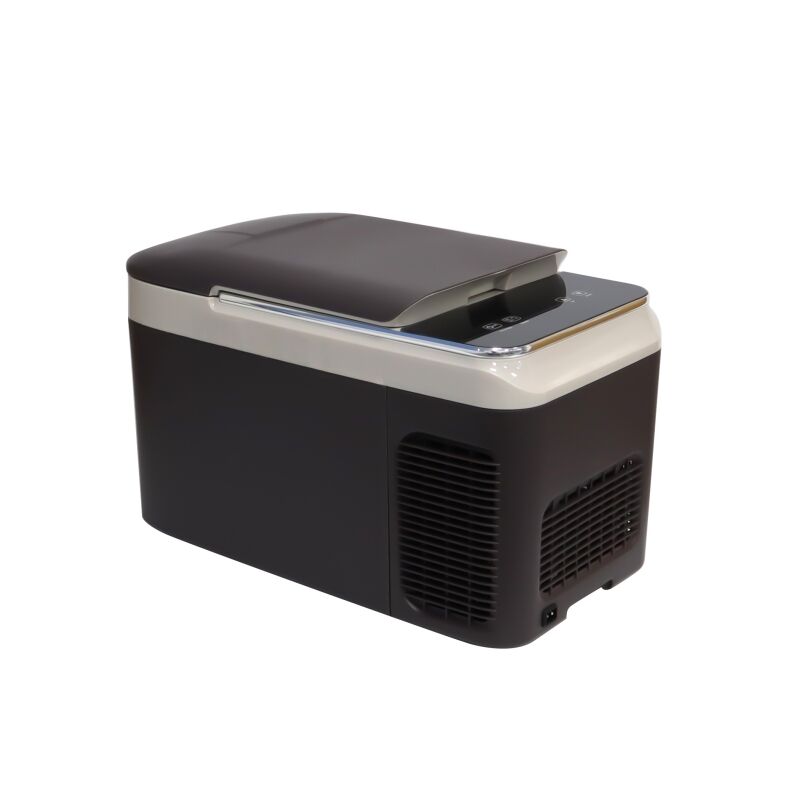
The best mini fridge for office environments incorporates cutting-edge cooling technology that operates at noise levels below 38 decibels, comparable to a quiet library or soft whisper. This silent performance stems from advanced compressor designs with vibration-dampening mounting systems and improved insulation materials that absorb operational sounds. Unlike older refrigeration units that cycle loudly and create workplace distractions, modern thermoelectric and inverter compressor systems maintain consistent temperatures while producing minimal audible output. This acoustic engineering proves particularly valuable in open-plan offices, private executive suites, or home office settings where conference calls and focused work demand quiet surroundings. The sophisticated cooling mechanism ensures rapid temperature recovery after door openings, maintaining food safety standards without increasing noise levels. Energy-efficient components reduce electrical consumption while delivering reliable cooling performance throughout extended operating periods. The combination of silent operation and effective refrigeration allows professionals to position the unit directly beside their workspace without compromising productivity or creating annoyance for colleagues in adjacent areas. This technological advancement transforms the best mini fridge for office use from a potentially disruptive appliance into an unobtrusive workplace essential that enhances convenience without sacrificing the professional atmosphere required for productive work environments.